Important Estate Management for Mature Individuals: Ensuring Your Cherished Inheritance
Estate planning represents a crucial endeavor for seniors, working as a buffer for their legacy. It entails more than simply establishing a will; it includes a detailed examination of assets and healthcare inclinations. By understanding the intricacies of wills, trusts, and directives, seniors can make certain their wishes are honored. However, frequent pitfalls can compromise these plans. Analyzing these elements can highlight the importance of a properly structured estate plan. What actions should seniors prioritize to defend their legacies effectively?
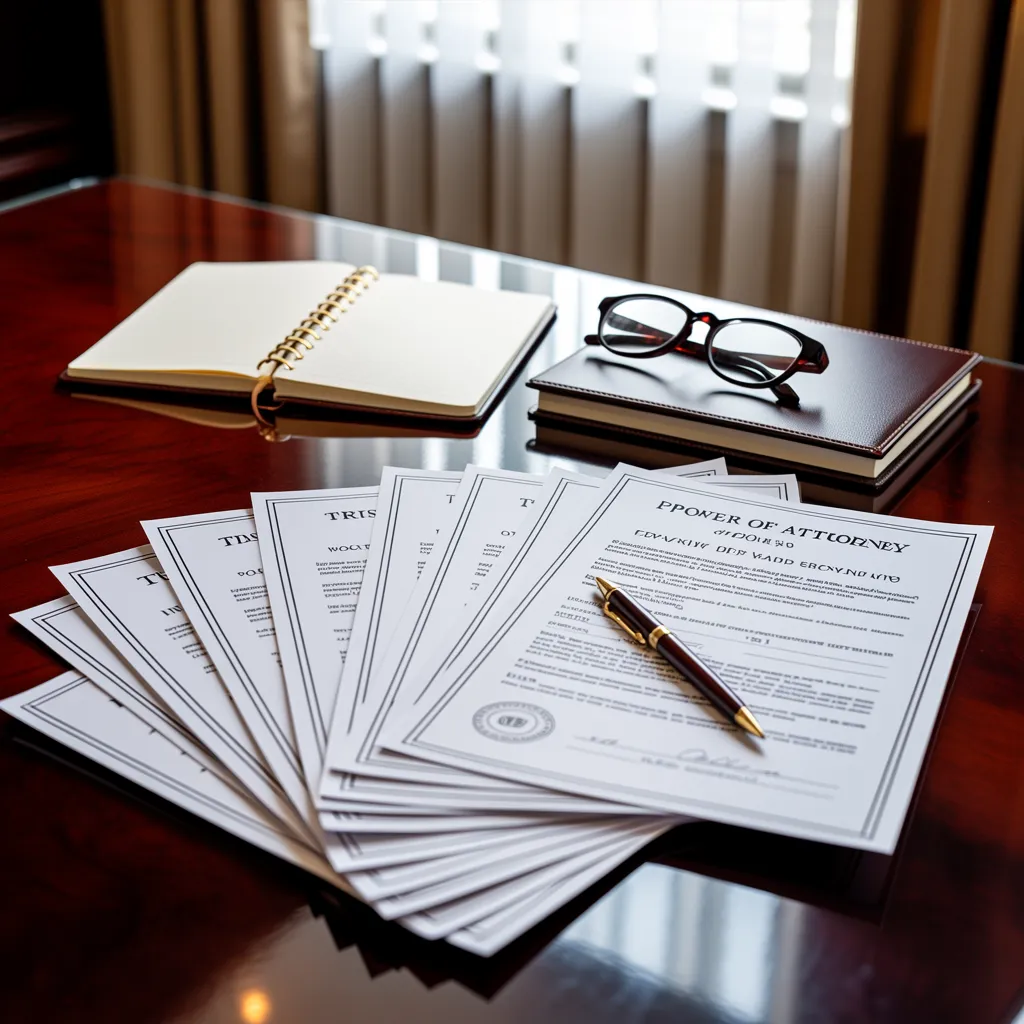
Comprehending the Foundation of Estate Planning for Seniors
Learning the fundamentals of estate planning for seniors is vital, as it ensures that their wishes are honored and their holdings are allocated according to their preferences. This process involves a series of significant phases to ensure that monetary and legal matters are addressed effectively. Seniors should commence by evaluating their assets, including properties, bank accounts, and personal belongings, to gain a clear understanding of their property's value. Next, they need to consider their healthcare choices, which can be documented through advance directives or powers of attorney. Identifying beneficiaries and ensuring that they are informed of their duties is also essential. By informing themselves about applicable laws and potential tax implications, seniors can make sound decisions. Ultimately, a well-structured estate plan not only protects their heritage but also minimizes potential anxiety for family members during challenging times, allowing for a seamless transfer of assets.
Estate Planning: The Function of Testamentary Instruments and Trusts
In estate planning, trusts and wills achieve distinct but complementary aims. Comprehending the importance of wills, paired with the strengths and types of trusts, remains essential for efficient asset management. Pinpointing the essential distinctions between these solutions can support seniors in making educated decisions about their estate planning methods.
Understanding Wills' Function
Wills function as critical components in estate planning, functioning as key legal instruments that establish how an one's assets will be dispersed upon their death. They give clarity and direction, ensuring that the departed's wishes are honored, which can help prevent familial disputes. A will allows individuals to appoint heirs, indicate certain property for certain beneficiaries, and even appoint guardians for underage kids. This legal instrument also simplifies the probate process, facilitating for executors to oversee and allocate the estate. Additionally, wills can feature memorial plans, reflecting personal preferences. Ultimately, grasping the function of a will is crucial for seniors seeking to safeguard their estate and guarantee their wishes are executed after their death.
Trusts: Benefits and Categories
Wills provide vital directives for property distribution, yet trusts add additional layers of security and flexibility in estate planning. Trusts assist in managing assets during a individual’s lifetime and ensure a smooth transfer upon death, reducing the need for probate. They can be tailored to specific needs, like special needs trusts for dependents or charitable trusts benefiting a cause. Moreover, revocable trusts permit changes as circumstances shift, whereas irrevocable trusts provide fiscal benefits and asset protection. Through using trusts, seniors maintain control over their assets, safeguard their legacies, and provide for loved ones in an organized manner, enhancing the overall success of their estate planning strategies.
Essential Distinctions Explained
Although both wills and trusts serve important roles in estate planning, they differ markedly in structure and function. A will is a legally binding document that outlines the distribution of an individual’s assets upon death, requiring probate to validate its terms. This process can be lengthy and public, potentially delaying asset distribution. In contrast, a trust allows individuals to transfer assets during their lifetime, bypassing probate and ensuring a more efficient exchange of wealth. Trusts can provide greater privacy and control, as terms can be customized to specific conditions. Additionally, a trust can offer benefits such as tax advantages and asset protection, making it a versatile tool for all-encompassing estate planning compared to a will's more straightforward approach.
Critical Medical Directives Every Senior Citizen Should Assess
Within the domain of estate planning, healthcare directives play an essential role for seniors to confirm their medical instructions are respected. Living wills and powers of attorney are two key components that give direction on healthcare decisions when individuals might be incapable of expressing their desires. Knowing these directives can substantially improve the quality of care and provide peace of mind for both seniors and their families.
Living Wills Clarified
A substantial number of older adults may find themselves facing important medical choices as they grow older, making advance directives an vital part of their estate planning. A living will is a legal document that details an individual's wishes for healthcare interventions and procedures in the event they become unable to communicate their desires. This instrument serves to guide medical professionals and loved ones, guaranteeing that an person's wishes regarding resuscitation efforts, comfort care, and other medical procedures are honored. By addressing scenarios such as terminal illness or permanent health problems, advance directives offer clarity and peace of mind. Seniors should think about talking about their preferences with relatives and healthcare professionals to ensure their advance directive accurately reflects their values and desires.
A Grant of Legal Authority enables an individual to make decisions in your place.
Many seniors gain advantages by creating a Power of Attorney (POA) to ensure their medical choices correspond to their values when they are can no longer speak for themselves. A POA allows people to select a reliable individual to handle medical decisions on their behalf, honoring their preferences. This vital document can address specific treatments, terminal care, and organ transplant preferences. By selecting a medical representative, seniors can diminish the weight on relatives who might struggle with challenging decisions during a emergency. It is critical for older adults to discuss their preferences frankly with their chosen agent and family, fostering understanding and reducing possible disagreements. Establishing a Power of Attorney (POA) strengthens the overall legacy planning framework, improving sense of security for seniors and their loved ones.
Finding the Perfect Executor: Critical Traits to Review
Choosing the right fiduciary is an crucial step in legacy planning, as this person will be responsible for overseeing the distribution of property and ensuring that the deceased's wishes are respected. When choosing an fiduciary, it is vital to assess their dependability, ability to organize, guide and ability to stay unbiased during emotionally intense situations. The ideal candidate should have a good understanding of finances and legal procedures to navigate any challenges that may occur. Additionally, picking someone who is accessible and willing to take on the duties is important, as this role can be time-consuming. Reliability is paramount, as the executor will handle sensitive information and make significant decisions on behalf of the estate. It may also be advantageous to choose an executor who is located nearby, ensuring more convenient contact and cooperation throughout the estate settlement process.
Frequent Blunders to Sidestep in Estate Planning
Selecting an personal representative is merely one of numerous factors that can affect the effectiveness of an estate planning document. One common mistake older adults commit is procrastinating on establishing or modifying their estate plans, which can result in unintended consequences. Furthermore, neglecting to share their desires with family members can cause confusion and conflict after their death. Many also overlook taxation considerations, which could impact the total worth of the estate.
One frequent error is failing to revisit their strategies after major life changes, such as marriage, divorce, or the birth of a child, which can make previous documents obsolete. Additionally, overlooking to consider digital assets, such as online accounts and cryptocurrencies, may result in issues in asset distribution. By avoiding these pitfalls, seniors can help ensure that their inheritances are preserved according to their preferences.
Tips for Examining and Updating Your Estate Plan
Regularly reviewing and updating an estate plan is important for ensuring that it accurately reflects an individual's present intentions and conditions. Seniors should set up a periodic review process, ideally every three to five years or after significant life events, such as marriage, divorce, or the birth of a grandchild.
As part of the review, it's important to confirm beneficiary information on accounts and insurance policies, as these take priority over wills. Seniors should also reassess their selected estate executor or trust administrator to confirm they remain suitable for the role.
Legal and tax regulations may transform, impacting the estate plan's viability; therefore, consulting an estate planning attorney can provide constructive perspectives. Additionally, discussing plans with family members can mitigate disagreements and foster transparency. By pursuing these steps, seniors can help anchor their legacy and guarantee their estate plan remains aligned with their intentions.

Frequently Asked Questions
What Methods Can Help Me Lower Estate Taxes for My Heirs?
To minimize estate taxes for heirs, one can utilize strategies such as making gifts to beneficiaries throughout one's life, creating trust arrangements, and taking advantage of permitted tax credits and deductions available under current tax laws to decrease taxable estate amounts.
What takes place if I pass away without an estate plan?
If someone passes away without an estate plan, their assets are allocated according to state regulations, possibly leading to unintended beneficiaries, probate delays, and increased taxes, ultimately making difficult the procedure for heirs and loved ones.
Is It Feasible to Adjust My Estate Plan Once It's Finalized?
Yes, an person can modify their estate plan after it has been instituted. Consistent reviews and updates guarantee that the plan embodies current wishes and circumstances, addressing any changes in personal or financial situations.
How Regularly Should I Assess My Beneficiaries?
Named beneficiaries need to be assessed at least annually or following major life transitions, including matrimony, divorce, or the birth of a child. Periodic maintenance guarantee that your intentions reflect your current circumstances and family dynamics.
What Purpose Does a Financial Advisor Serve in Estate Planning?
A wealth consultant helps with legacy planning by analyzing assets, presenting tax solutions, and making sure beneficiaries are suitably designated. They also support individuals work through complexities, synchronizing estate plans with investment objectives and personal wishes efficiently.
Comments on “Complete Estate Planning for Seniors and Their Loved Ones”